

Iran has ruled out granting the United Nations’ nuclear watchdog access to several nuclear facilities damaged during its brief but intense war with Israel in June, insisting that any inspection must be tied to a new and clearly defined agreement.
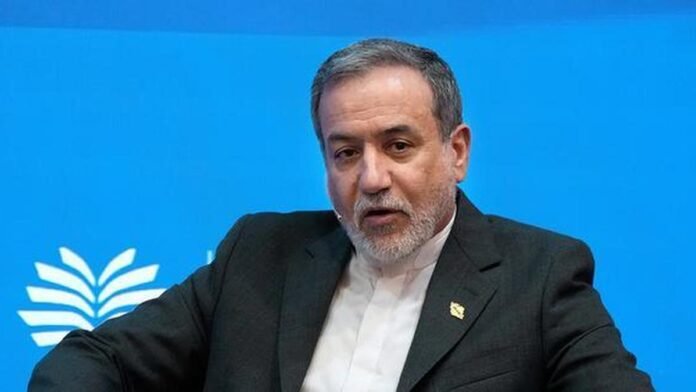
Foreign Minister Abbas Araghchi made the remarks in an interview published on his Telegram channel on Thursday, underscoring Tehran’s deepening mistrust of the International Atomic Energy Agency (IAEA) after months of escalating confrontation.
Araghchi said the bombed facilities had “their own story” and that cooperation with the agency remained impossible until all sides reached a comprehensive understanding. He did not detail what such a deal would require, but emphasized that Iran would not allow inspections under current conditions.
His comments came just before the IAEA adopted a resolution demanding immediate access to the affected sites. The resolution reflects growing concern among Western powers over Iran’s nuclear transparency following the conflict.
The 12-day war erupted in mid-June after Israel launched a massive and unprecedented bombing campaign against Iranian military and nuclear infrastructure. The United States later joined with targeted strikes on key nuclear facilities, dramatically escalating regional tensions.
In the aftermath, Tehran suspended its cooperation with the IAEA and barred inspectors from the bombed locations, accusing the agency of “bias” and failing to condemn Israel’s actions. Araghchi said it was “not wise” for the IAEA to investigate damage inflicted by a foreign military attack.
Following a brief diplomatic thaw in September, Iran and the IAEA agreed on a new cooperation framework. However, Tehran later declared the deal invalid after Britain, France and Germany triggered the snapback of UN sanctions lifted under the 2015 nuclear agreement, which collapsed after the U.S. withdrawal in 2018.
The resumption of sanctions has further complicated efforts to revive nuclear talks between Iran and the United States. Those discussions, initiated in April, stalled over Tehran’s insistence on maintaining its right to enrich uranium—an issue it describes as “undeniable”.
Since the war, Iran has signaled openness to renewed talks but insists negotiations must occur “on equal footing”. Araghchi reiterated that the U.S.’s current demands remain unacceptable and “detrimental to our national interests”.
He also ruled out discussing Iran’s missile programme or other defense capabilities, calling any attempt to restrict them “a betrayal”. The comments highlight Tehran’s determination to keep its military development off the negotiating table despite persistent Western pressure.
Araghchi further stated that dialogue with European governments is “no longer useful” following their support for the snapback mechanism. The breakdown reflects a deeper collapse in trust between Iran and the European parties once seen as key mediators.
The IAEA, meanwhile, has warned that it has been unable to verify Iran’s stockpile of near-weapons-grade uranium for months. Its inspectors have also reported reduced access to monitoring equipment and surveillance data.
The standoff leaves the international community with increasing uncertainty about the status of Iran’s nuclear programme. With regional tensions still high and diplomatic channels narrowing, the dispute over access to bombed nuclear sites is likely to intensify in the coming months.
For now, Tehran appears determined to link any future cooperation with the IAEA to broader political concessions—setting the stage for yet another round of contentious nuclear diplomacy.