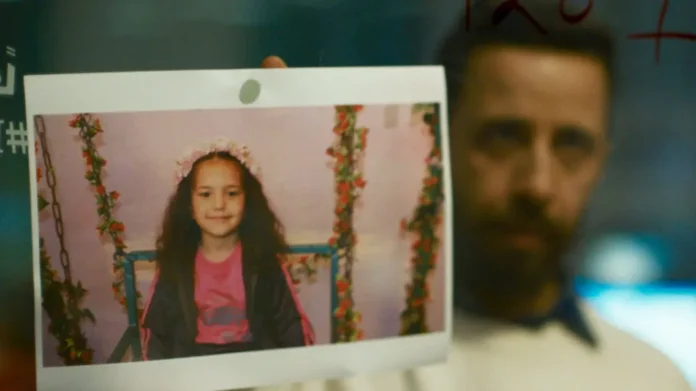


“They’re shooting at me. Please come get me. I’m scared.” Those words, spoken by six-year-old Hind Rajab during an emergency phone call from Gaza City in 2024, became the emotional core of a new film by Tunisian director Kaouther Ben Hania.
When the recording surfaced on social media, Ben Hania says she immediately halted work on another project to focus on telling Hind’s story.
The resulting docudrama, The Voice of Hind Rajab, released in UK cinemas last Friday, centres on the child’s final call to the Palestinian Red Crescent Society. Hind was trapped in a car with her extended family as they attempted to flee Israeli bombardment.
The vehicle was struck, killing her aunt, uncle and cousins. Hind survived long enough to speak with Red Crescent operators, pleading for rescue as gunfire echoed around her.
An ambulance dispatched to reach the child was also shelled. Hind, her remaining relatives and the two paramedics were all killed. The Israel Defence Force initially said no troops were present in the area, but that claim was later challenged by investigations from Forensic Architecture, NGO Earshot and journalists from Al Jazeera.
Their findings suggested the damage was consistent with Israeli tank fire. Israel has said the incident remains under review.
For Ben Hania, the project was driven by a sense of moral urgency. “It haunted me,” she told BBC News. “I felt helpless, and I hate feeling helpless.” She described filmmaking as her way to resist that helplessness and to “bear witness”.
The film blends documentary and drama, combining Hind’s real phone calls with staged scenes portraying Red Crescent workers in a call centre in Ramallah.
The volunteers, played by Palestinian actors, attempt to keep the child calm while negotiating with intermediaries for a safe rescue route approved by the Israeli military. Tension builds as explosions are heard and the line abruptly goes dead.
Critics have widely praised the film’s emotional impact. Variety called it “impossible not to be moved”, while acknowledging ethical questions around dramatising real tragedy. The Telegraph said it “transcends shock value”, presenting audiences with an uncomfortable moral reckoning.
Ben Hania says she received permission from Hind’s mother before making the film and was careful to respect the testimony of Red Crescent staff. “My movie is not an investigation,” she said, noting that multiple media organisations had already examined the facts.
The film premiered at the Venice Film Festival to a record 23-minute standing ovation and won the grand jury prize. Hollywood figures including Joaquin Phoenix and Rooney Mara joined as executive producers, helping broaden its global reach.
Now Oscar-shortlisted, Ben Hania hopes the film will ensure Hind Rajab’s name is not forgotten. “This is not a story,” she said. “This is history in the making. And it’s important not to look away.”