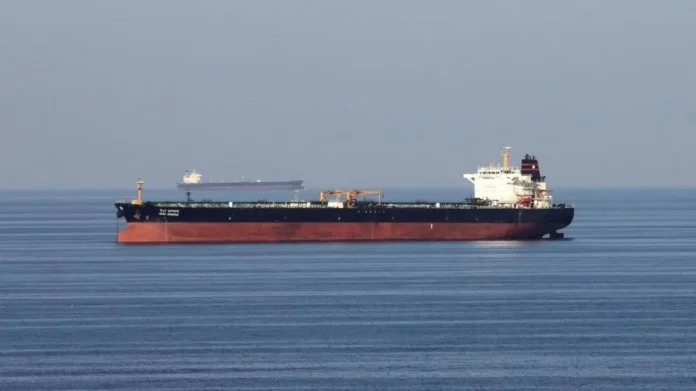


The global energy market is facing renewed turmoil as Strait of Hormuz shipping routes come under severe disruption following escalating conflict involving Iran, the United States, and Israel.
Since late February, threats, attacks, and heightened military activity have effectively reduced tanker traffic through one of the world’s most critical oil corridors.
The Strait of Hormuz, a narrow waterway connecting the Persian Gulf to the Arabian Sea, handles nearly 20% of global oil and liquefied natural gas (LNG) shipments.
In 2025 alone, around 20 million barrels of oil passed through the route daily, underlining its importance to global energy supply chains.
However, the situation has deteriorated rapidly. Shipping traffic has sharply declined as vessel operators avoid the area due to rising risks.
Reports indicate that at least 21 ships have been attacked or targeted since the conflict intensified, with missiles, drones, and sea mines posing significant threats.
Insurance costs for vessels have surged, forcing many companies to suspend operations in the region.
Energy prices have reacted strongly. Crude oil has climbed to approximately $100 per barrel, marking a dramatic increase compared to previous months.
Analysts warn that prolonged disruption could push prices even higher, further straining global economies already dealing with inflationary pressures.
The crisis is particularly concerning for Asia. China, one of the largest importers of Iranian oil, relies heavily on supplies passing through the strait.
Disruptions not only threaten its energy security but could also impact global manufacturing, as higher production costs translate into increased prices for goods worldwide.
Despite the escalating tensions, the United States has so far limited its response to airstrikes targeting Iranian military infrastructure, including anti-ship missile sites.
Efforts to mobilize an international naval coalition to secure the strait have seen limited support, raising uncertainty over how quickly normal shipping operations can resume.
Historically, similar conflicts have led to direct military intervention. During the late stages of the Iran-Iraq War, US naval forces escorted oil tankers through the Gulf to ensure safe passage. Whether such measures will be repeated remains unclear, but experts suggest it may become necessary if disruptions persist.
Some Gulf countries have attempted to reduce reliance on the strait by developing alternative export routes. Saudi Arabia operates a major pipeline capable of transporting millions of barrels of oil daily, while the United Arab Emirates has invested in infrastructure linking inland oilfields to ports outside the Gulf.
However, these alternatives cannot fully compensate for the loss of capacity through Hormuz.
The broader implications extend beyond oil. The strait is also vital for LNG exports—particularly from Qatar—and for global fertiliser trade. Any prolonged disruption could therefore impact food production and energy availability worldwide.
As tensions remain high, the future of one of the world’s most strategic maritime routes hangs in the balance, with global markets closely watching every development.