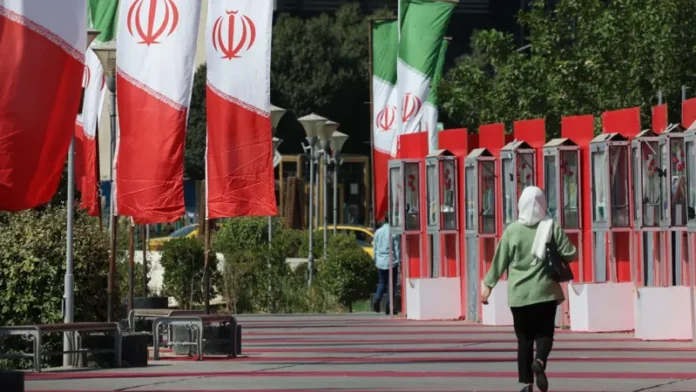


The United States has deported a second group of Iranian nationals, Iranian officials confirmed, as the Trump administration continues its stepped-up immigration enforcement campaign despite mounting humanitarian concerns.
According to reports, a chartered aircraft carrying more than 50 Iranians departed from Mesa, Arizona, on Sunday. The flight reportedly transited through Cairo and Kuwait before landing in Iran.
Tehran’s foreign ministry confirmed the group’s arrival, while US immigration authorities declined to verify details of the flight. Officials said they could neither confirm nor deny such operations for security reasons.
The latest removals follow a similar deportation in late September, marking a rare instance of logistical coordination between Washington and Tehran. The two countries lack formal diplomatic relations and have been adversaries for decades.
Many Iranian nationals seek entry into the United States citing fear of persecution, political repression, or discrimination at home. Asylum claims often involve political dissent, religious conversion, or sexual orientation.
Advocacy groups working near the US-Mexico border expressed alarm over the identities of some of those removed. Religious and rights activists warn the deportations could place vulnerable individuals at severe risk.
Father Joseph Bach, a member of Borderland Companions of Hope, said he was informed by contacts inside an Arizona detention facility that Christian converts were among those deported.
He also said detainees had reported that some individuals identified as members of the LGBT community. Both groups face harsh legal penalties and widespread social hostility in Iran.
Under Iranian law, apostasy and same-sex relationships can carry severe punishments, including lengthy prison sentences or worse. International rights organisations have repeatedly documented abuses in such cases.
Father Joseph condemned the deportations in strong terms, describing them as morally unacceptable. “It’s scary, it concerns me, it is not OK,” he said. “I call this a death flight.”
Iranian authorities, however, framed the repatriations as voluntary. A consular official told Iran’s judiciary-affiliated Mizan News Agency that the deported individuals had “announced their willingness” to return.
The official cited what he described as ongoing anti-immigration and discriminatory policies in the United States, particularly affecting Iranian nationals, as reasons for the returns.
But testimony from detainees challenges that portrayal. One Iranian national who spoke with the BBC said not everyone deported had agreed to go back.
Speaking from an immigration detention centre in Arizona, the man said he and his partner crossed into the US on foot from Mexico earlier this year. He said he feared for his life if returned to Iran.
“I am not safe there,” he said, adding that his asylum claim was still unresolved when he was placed on a potential deportation list.
The deportations come amid already strained relations between Washington and Tehran, which worsened further in June after US air strikes targeted Iranian nuclear facilities.
That escalation has heightened fears among analysts that diplomatic backchannels used for limited cooperation, such as deportations, could further expose returnees to scrutiny by Iranian authorities.
The Trump administration has consistently emphasised border security and reducing unauthorised migration as pillars of its domestic agenda. Deportations have increased despite objections from humanitarian groups.
Critics argue that returning asylum seekers to countries where they may face persecution violates international obligations and undermines longstanding US commitments to refugee protection.
As legal challenges and diplomatic tensions continue, advocacy groups say the fate of those already deported remains uncertain, warning that the consequences could be irreversible.